Nourishing the future: how CMSRU’S integrated nutrition curriculum prepares tomorrow’s physicians
As medical schools nationwide respond to U.S. Department of Health and Human Services recommendations calling for stronger nutrition education in physician training, Cooper Medical School of Rowan University (CMSRU) is well positioned to demonstrate an approach that goes beyond adding a single course or isolated requirement. Rather than treating nutrition as a standalone subject, CMSRU has intentionally designed a curriculum that integrates nutrition education longitudinally across all four years of medical school—ensuring students engage with nutrition concepts repeatedly as their scientific knowledge and clinical responsibilities grow.
At CMSRU, nutrition is not confined to one block or elective. It is a foundational element of medical education, woven into basic science instruction, early clinical experience, clerkships, community engagement and student scholarship.
Situated in Camden, New Jersey—a community where food insecurity, chronic disease and health disparities present daily clinical realities—CMSRU’s integrated approach reflects both the needs of its patients and the expectations of modern medical practice.
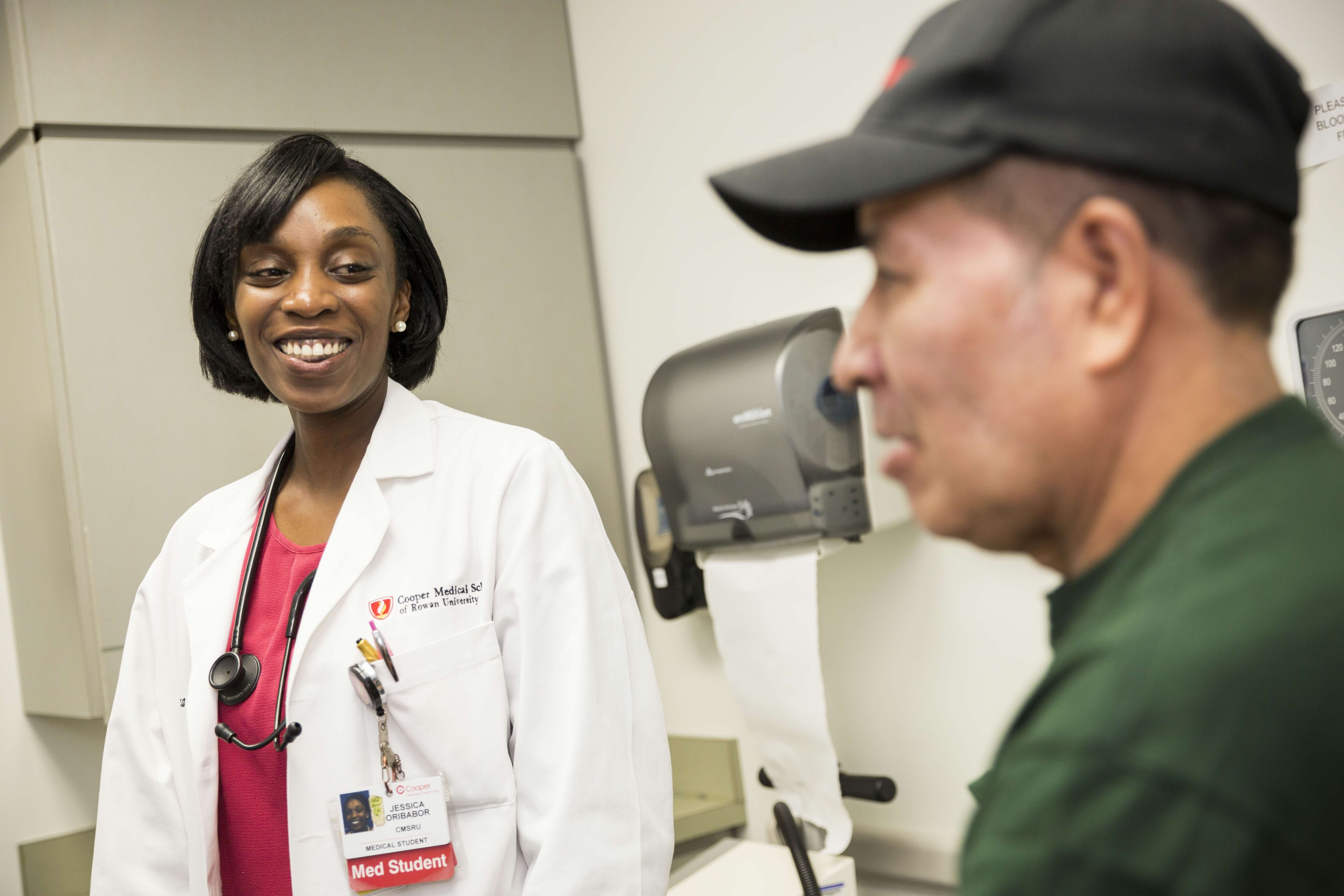
From the first weeks of medical school, CMSRU students see the real‑world impact of nutrition on health through their work at the student‑run Cooper Rowan Clinic. There, students encounter patients managing chronic conditions such as diabetes, hypertension and obesity, many of which are closely tied to diet, food access, and socioeconomic factors.
This early clinical exposure allows students to apply nutrition‑related concepts alongside foundational science, helping them develop practical counseling skills while gaining insight into the complex barriers patients may face in making healthy dietary choices.

During the pre‑clinical years, students build a strong grounding in metabolism, biochemistry, and the physiological pathways that connect nutrition to disease. Nutrition concepts are embedded across organ‑system blocks and case‑based learning, highlighting how dietary factors influence inflammation, immune function, cardiovascular health, and metabolic disorders.
Rather than isolating nutrition within a single course, CMSRU reinforces these principles repeatedly across the curriculum, promoting effective delivery and long‑term retention of key concepts. Students are trained to view nutrition as an essential component of patient‑centered care—one that informs clinical decision‑making alongside diagnostics, medications, and procedures.
In addition, CMSRU continually evaluates its nutrition curriculum to address gaps identified in national AAMC guidance, ensuring the content remains current, comprehensive, and clinically relevant.
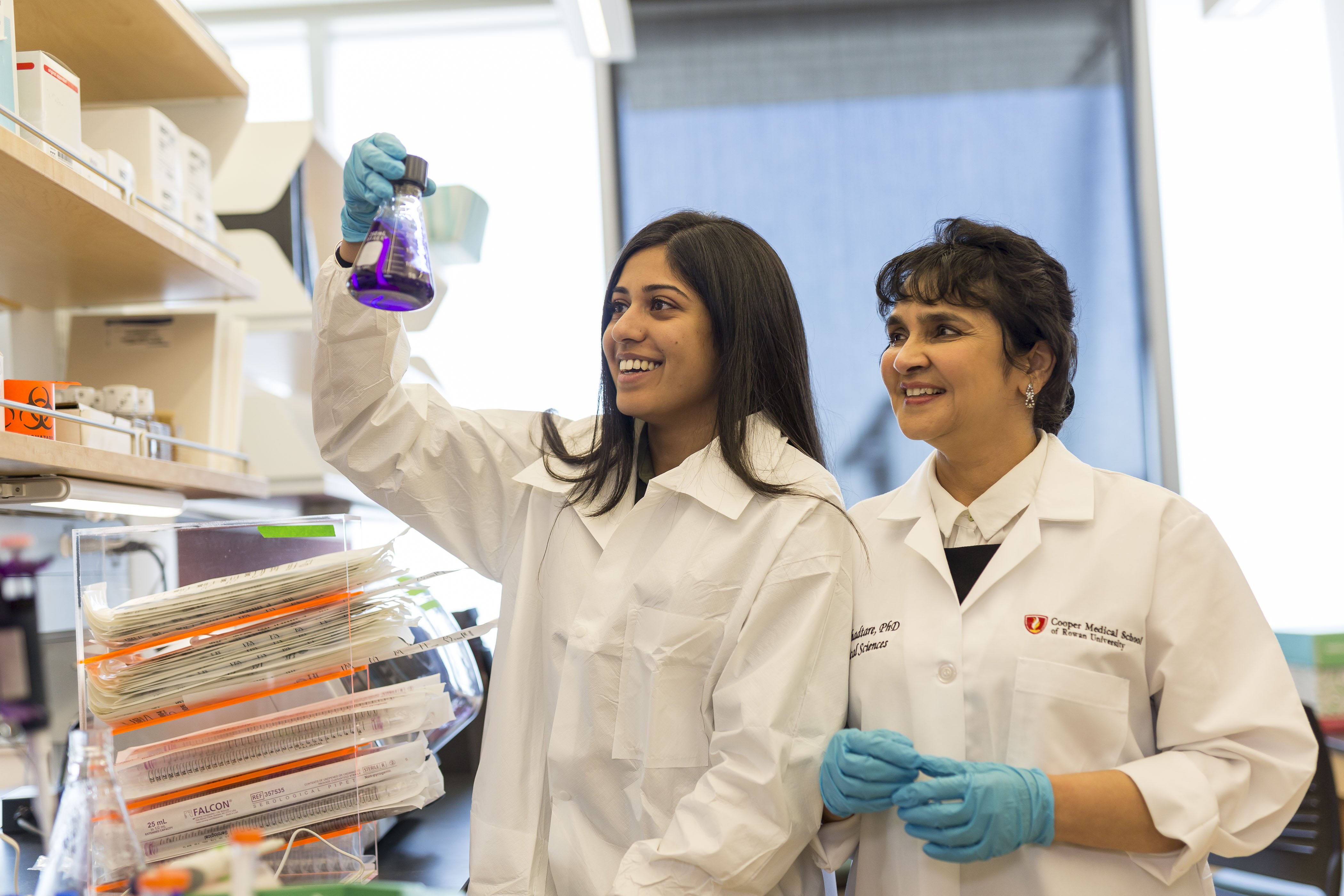
Faculty‑led research further strengthens CMSRU’s commitment to nutrition education. In addition to biomedical research, CMSRU supports pedagogical innovations designed to enhance how nutrition is taught and learned. These efforts include the development of nutrition‑focused instructional sessions and daily reinforcement strategies—such as a “one‑a‑day” nutrition question approach—aimed at improving student engagement and knowledge retention.
CMSRU faculty and students are also engaged in research exploring the influence of nutrition on health outcomes. Ongoing projects examine the role of nutrition in gut microbiome health, including its impact on patients with irritable bowel syndrome, individuals undergoing bariatric surgery for obesity, and breast‑fed neonates. Additional community‑based research focuses on nutrition awareness and education in food desert areas, as well as among school‑aged and college students.
A selection of recent publications and scholarly work led by Sangita Phadtare, PhD, and CMSRU students can be accessed here.
Connecting nutrition to community health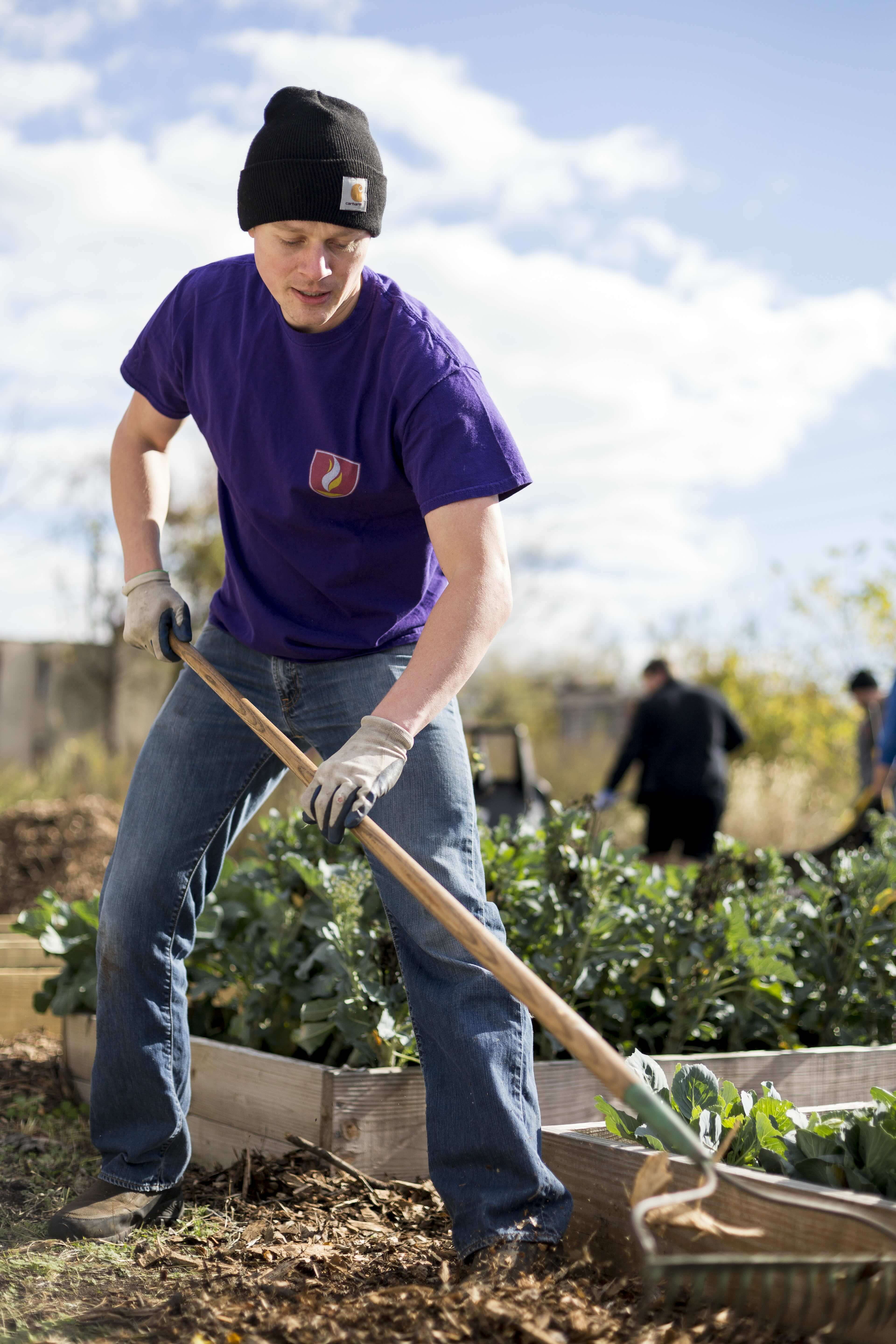
Nutrition education at CMSRU extends well beyond the classroom and into the surrounding community. Students engage in hands‑on, service‑learning initiatives that address food access, nutrition awareness, and preventive health across the lifespan.
CMSRU partners with local elementary and high schools to promote nutrition education and provide enrichment for students interested in health care careers, as well as through competitive summer programs for undergraduate and high school students, such MEDacademy. Students also work directly with community residents through interactive nutrition workshops led by student organizations such as the Student Medical Nutrition Club.
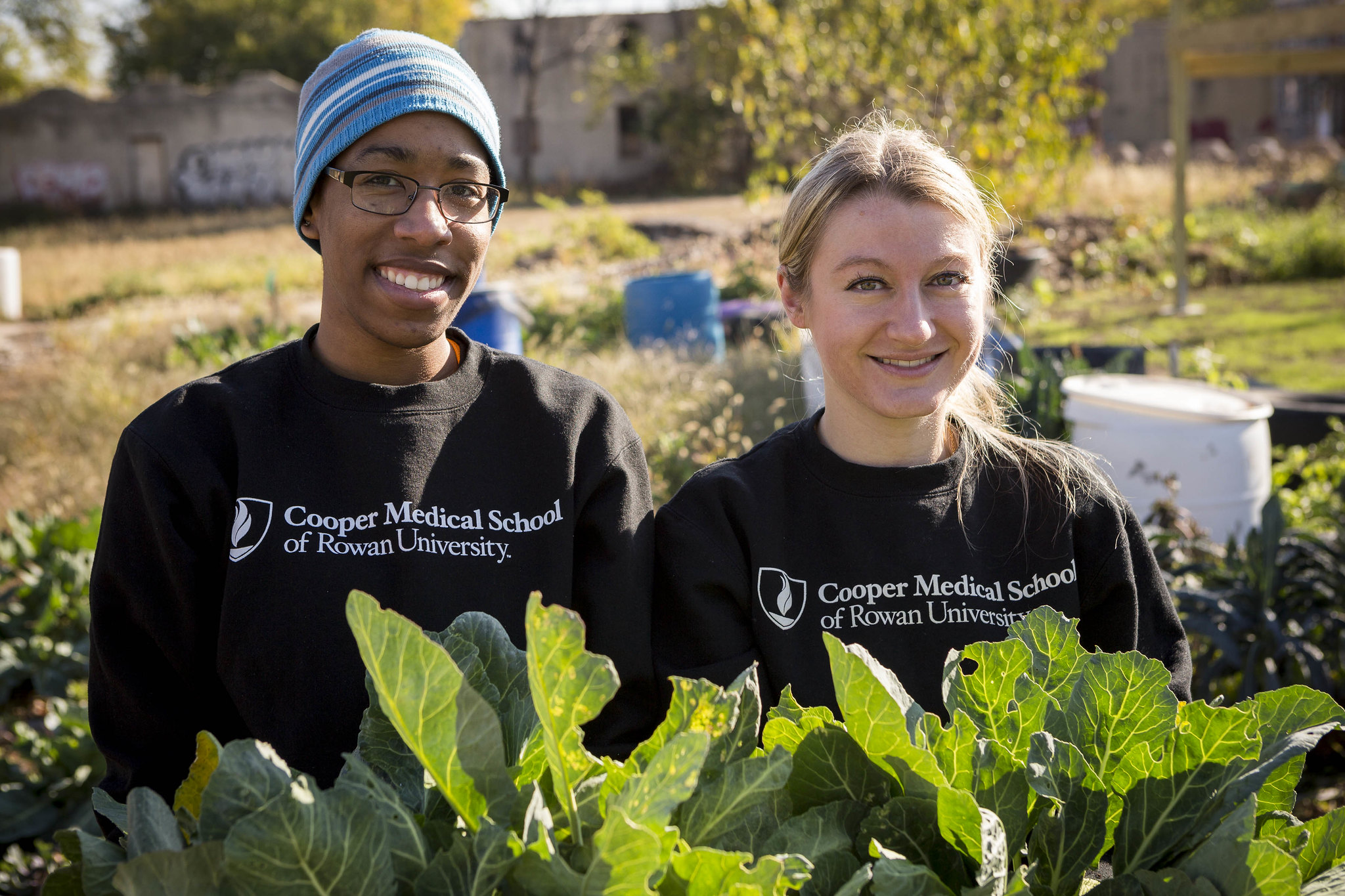
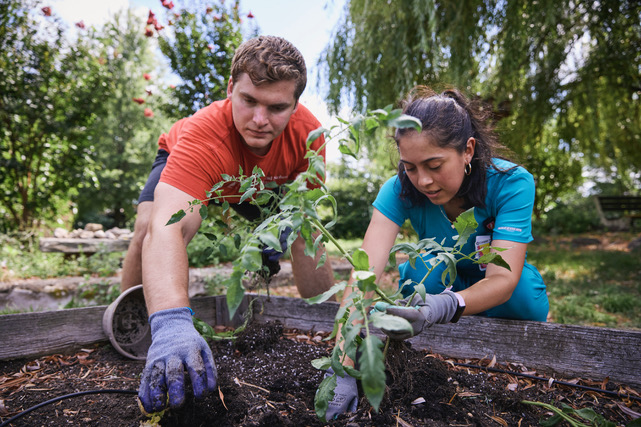
These outreach efforts are complemented by broader community engagement through food pantry initiatives, the Cooper Sprouts Community Garden, Cathedral Kitchen, street medicine program, and other Service Learning experiences—reinforcing the connection between nutrition, environment, and health outcomes.
Student leadership and scholarship
Student‑led organizations play an important role in advancing nutrition education at CMSRU. The Student Medical Nutrition Club provides opportunities for concentrated enrichment, guest speakers, and collaborative projects centered on clinical nutrition and preventive care.
Under the mentorship of Dr. Sangita Phadtare, students have contributed to published research in clinical nutrition, gaining experience as physician‑scholars while deepening their understanding of nutrition’s role in health and disease.
Nutrition as a clinical competency
As students progress into their clinical years, nutrition becomes increasingly important. During clerkships, students work alongside physicians and registered dietitians to counsel patients on dietary strategies and observe how culture, socioeconomic conditions, and food insecurity shape health behaviors and outcomes.
Fourth‑year electives and scholarly projects allow interested students to further explore nutrition‑related topics—including community nutrition, culinary medicine, and research—reinforcing nutrition’s relevance across medical specialties.
Leadership and longstanding commitment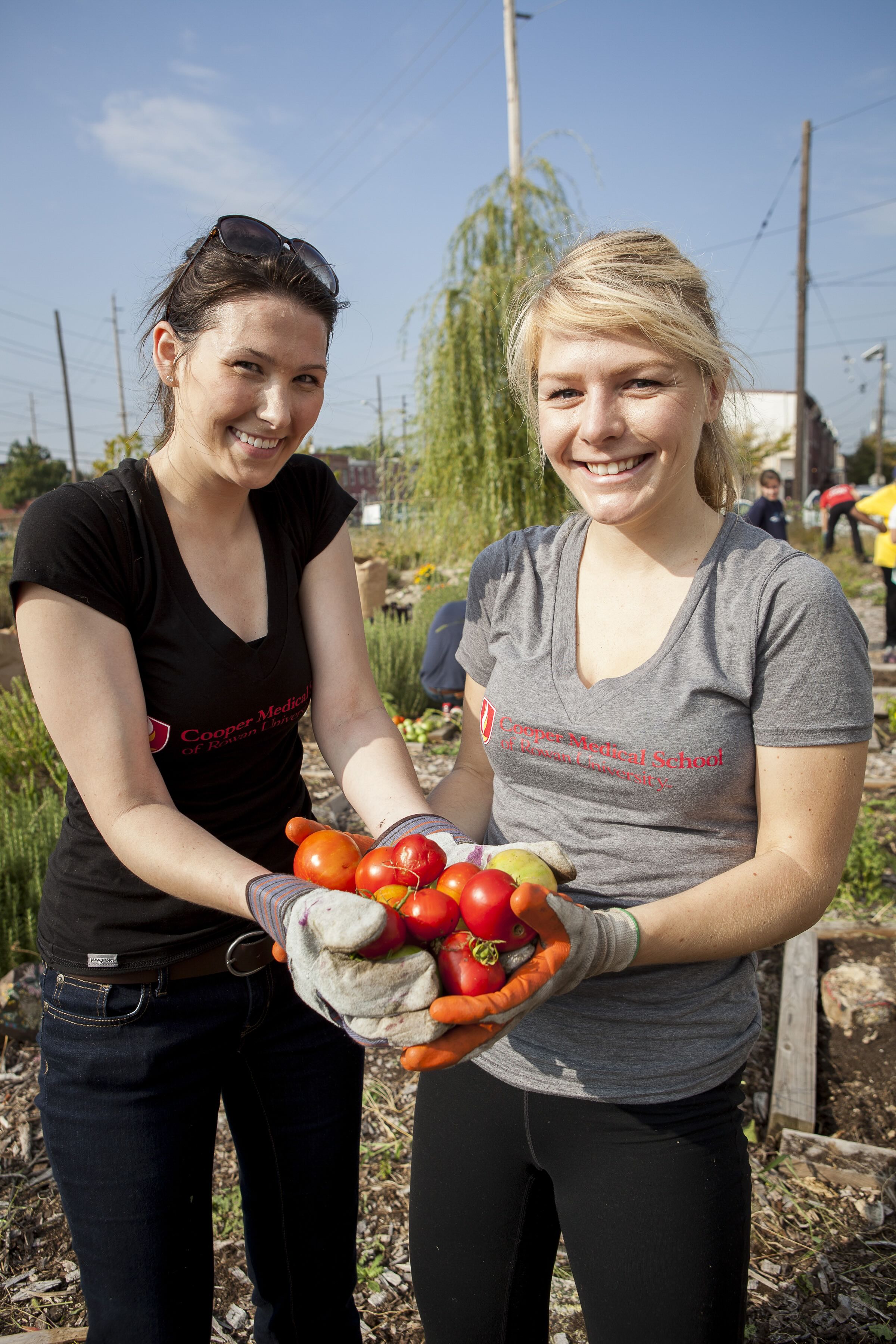
A key driver of CMSRU’s integrated approach is Dr. Phadtare, whose work bridges basic science and clinical application. Her research focuses on how nutritional factors influence gene expression, metabolic regulation, and the gut microbiome—areas that continue to inform understanding of chronic disease prevention and management.
Equally important is her role as an educator and mentor, ensuring that students receive evidence‑based instruction and meaningful opportunities to engage with nutrition education throughout their medical training.
“Nutrition is fundamental to nearly every aspect of health, yet there has historically been a curricular gap in medical education,” said Annette C. Reboli, MD, dean of Cooper Medical School of Rowan University. “At CMSRU, we are intentional about integrating nutrition into both the science and practice of medicine—from the classroom to the clinic to the community. Our goal is to graduate physicians who are not only knowledgeable but also confident in using nutrition as a powerful tool to improve patient outcomes.”
Meeting and exceeding national recommendations
In alignment with U.S. Department of Health and Human Services guidance, CMSRU provides 40 or more hours of nutrition education across the four‑year medical school curriculum. Rather than delivering this instruction through a standalone course, CMSRU’s longitudinal model integrates nutrition across multiple courses and clerkships, promoting reinforcement and deeper learning over time.
By embedding nutrition throughout the curriculum, CMSRU is preparing future physicians to address some of the most pressing health challenges facing patients and communities—today and into the future.